Getting Started
&
Finding My Way
(Part 11)

This is part 11 in a series of essays about when I was a young man (30+ years ago) trying to figure out how to “make it” in the world. Click HERE to go back to the beginning of the series.


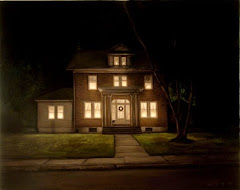
This is the building that I helped to remodel back in the summer of '77

It was the summer of 1977. I was 19 years old and I was back in Craftsbury Common, Vermont. I was living and working with my friends Bruce and Patty Womer as they remodeled a big old building into an extension of the Craftsbury Inn.

The interior renovation work had progressed such that none of us could live in the building any more. So we moved into the back yard. Bruce & Patty had a big tent. Further in the back, under some trees, I had a two-man backpacker’s tent. That was my room. It was downright cozy. I don’t think I’ve ever slept better in my life.

My job was as an extra hand. I helped wherever I was needed, and occasionally it was with one of the many different craftsmen who worked on the project. Such was the case with Robert, the mason Bruce hired to lay up a new 10-inch concrete block foundation wall under the jacked-up building.

Bruce spoke very highly of Robert. He told me Robert had had some troubles with the law, but he was a third generation mason, and one of the best in the state. I was especially anxious to see him work.

Robert arrived very early in the morning. I couldn’t help but notice that he was big—-tall, broad, and muscular big, with shoulder length blonde hair. In my mind’s eye he has an uncanny resemblance to Hulk Hogan, and he had a slightly incredulous look on his face when Bruce told him I was going to be his helper.

My job would be to mix mortar and carry concrete blocks so they were within arm’s reach at all times. After quickly showing me how to operate his mixer, and measure out the proper sand/cement/water ratio, Robert got to work, and I was on my own. I have to admit that I was intimidated by Robert’s physique and his no-nonsense attitude.

I worked very hard that long, hot day trying to do a good job, and more than that, trying to impress Robert. But he hardly said a word to me unless he needed something, or to comment on the consistency of the mortar (“To thick,” “To thin,” or “This looks okay”).

Lunch break was a welcome relief. But it barely lasted five minutes—-long enough for Bruce to fetch a cold beer and Robert to drain it. I stuffed down a sandwich and we were back in business. Robert’s mind was focused completely on the job at hand.

Nobody could have tended mason better than I did that day, and one day was all it took. Having since laid up a few basement foundations of my own, and observed other masons at work, I now realize we did a phenomenal stroke of work in that one day.

When the basement wall was done, in the quickly-fading light of dusk, Robert helped me clean out his mixer. He acted like a completely different person. He was friendly and talkative, and he told me what I longed to hear. I remember exactly what he said: “You did a good job, mate.” That was it. That was enough.

To be continued....

Note: No one had ever addressed me as “mate” before. Only in later years did I discover that one of the definitions of the word is, “an assistant to a skilled worker.” It was, I believe, a word more commonly used in older days. It was a term that a third generation mason would certainly be familiar with.

Click HERE to go to Part 12 of this series


Getting Started & Finding My Way
(Part 10)

This is part 10 in a series of essays about when I was a young man (30+ years ago) trying to figure out how to “make it” in the world. Click HERE to go back to the beginning of the series.

###

It was early in the summer of 1977. I needed a job. I had no prospect of a job. I had tried to sell Shaklee door-to-door but failed miserably. There was only one thing left to do.

I decided to join the military.

I really didn’t want to join the military but I had no money, no car, no job, no nothing. There was no other option.

My Grassroots Project school buddy, Joe Miller, from Rehoboth Beach, Delaware was a surfer. There was a Coast Guard station near where he lived and he had told me what a great group of guys were in the Coast Guard. So I decided that the Coast Guard was for me.

My mother went with me to visit the recruiter in Syracuse, NY. We listened to his spiel. I took a short test. We went home to think about it. I was pretty sure I would join the Coast Guard.

When I got home I wrote a letter to my friends Bruce and Patty Womer back in Vermont. I told them about not having a job. I told them I was going to join the Coast Guard.

Within a few days I had a letter from Patty. She told me I was welcome to come back to Vermont and stay with them while helping to renovate the big old dormitory building. It was a big job that would take all summer. She wrote that Bruce really could use my help again. She also wrote that Bruce didn’t think I should join the Coast Guard.

Well now, that was a ray of sunshine in my dark little world. I was needed! Bruce needed me. The Womers were great folks. I didn’t have to give any thought to this opportunity. I would get myself back to Craftsbury Common ASAP.

The only problem was that I had a girlfriend (now my wife, of 27 years). I would miss her. But we knew from my year at school in Vermont that absence makes the heart grow fonder. Besides, it would only be a couple months.

Thinking back on those days of separation, it is interesting to note that Marlene and I did not have cell phones or e-mail to keep in touch. And phone calls were very rare. What we did was write letters to each other. Almost every day we wrote to, and received a letter from, each other.

My school friend, Ed Bais, from Cleveland, Ohio, called me to say he was borrowing his sister’s car and heading back to Craftsbury Common for a fiddler’s contest. Did I want to go? What timing! That’s how I got back to Vermont.

Before I left, I visited the Coast Guard recruiter again. I told him I wanted to enlist but I had a job in Vermont for the summer. I would be back in the fall and enlist then. I signed some papers but didn’t commit myself completely. Bruce Womer’s admonition was in my mind.

To be continued...
Click HERE to go to Part 11 of this series


Getting Started & Finding My Way
(Part 9)

This is part 9 in a series of essays about when I was a young man (30+ years ago) trying to figure out how to “make it” in the world. Click HERE to go back to the beginning of the series.

###

It was early in the summer of 1977, and I was home from school, staying busy with various projects around my parents’ house, and wondering how I would ever find myself a good job.

Then it occurred to me that I should sell Shaklee products. A friend of the family had finagled my mother into becoming a Shaklee “dealer.” She had a Shaklee sales kit, with information about the products, and prices, and order forms. But my mother never did anything with it. I saw within that Shaklee sales kit the answer to my problems with finding a job.

My stepfather had once sold insurance for Combined Life and they gave him two classic “success” books. One was Success Through a Positive Mental Attitude by W. Clement Stone. The other was Think and Grow Rich by Napoleon Hill. I had read the books in the past. I read them again.

W. Clement Stone started selling insurance when he was sixteen years old. He was an amazing man. His book was inspiring. Clearly, there was a lot of money to be made in sales. I studied the Shaklee materials to familiarize myself with the product. I liked Shaklee. Vitamins, nutritional supplements and Basic-H were good products.

Not having a car, I decided to ride my bicycle. My parents had a house on State Route 41-A. There were a lot of houses in the 16 miles or so between our place and the town of Skaneateles, on the North end of Skaneateles Lake. I would just stop at houses and go to the door and knock and tell people about Shaklee. By the end of the day, I’d have all kinds of orders. I knew from the motivational books I had read that before you can be successful at sales, you have to imagine being successful. That was fun.

It so happened that I had prior experience with cold-call sales. Back in 8th grade, when I lived in the suburbs of Syracuse, N.Y., my social studies class at school planned a two-day trip to Sturbridge Village in Massachusetts. To help raise money for the bus and other expenses, we sold candy bars.

I knocked on what seemed like hundreds of doors in the housing development where I lived. I sold a LOT of candy bars. Then I went beyond my neighborhood. One afternoon I rode my bike down State Fair Boulevard (the busy road in front of the housing development) to a trailer park. The people were older there and they seemed glad to see me. They bought a LOT of candy bars. When I left the place I noticed a big sign that said “No Soliciting.”

One Saturday morning my stepfather dropped me and another classmate off at a housing development several miles away to sell our candy bars. He would return in an hour or so to get us. It was not a good neighborhood. The houses were run down. The people who answered the door were not friendly. Worst of all, a gang of kids confronted us. They started to give us a hard time. I was glad my friend was with me. But we were really outnumbered, and some of those kids were big. It wasn’t going to go well for us. We were going to get hurt.

It was about to get real ugly when, thankfully, my dad drove up. My fifty-year-old heart beats a bit faster just thinking of what a close call that was.

In the end, I sold more candy bars than anyone else in the class and won a prize of some spending money for the trip. Sturbridge Village was my first introduction to a living history museum and I’ve been in love with such places ever since.

So that is how I had prior sales experience. If I could sell candy bars, I could sell Shaklee. I got on my bike one summer midmorning, clutching the Shaklee sales kit, and headed north.

I knew most of the people who lived along the road for the first couple of miles. I didn’t want to stop at those houses because that would be too embarrassing.

After a couple miles I decided it was time to stop at a house. As I rode my bike up to the house, I didn’t turn in the driveway. I changed my mind. The place didn’t look right. I would stop at the next house I came to.

Well, every house I came to didn’t look like a place I wanted to stop. I didn’t have the nerve to stop and sell Shaklee. Hard as I tried, I just couldn’t bring myself to do it. I got angry because I was too scared to stop. I determined that, no matter what, I was going to stop at the next house.

But I never did. I rode my bike all the way to Skaneateles and then I rode all the way home, and I never stopped at a single house.

I was disappointed with myself. I was a failure as a door-to-door Shaklee salesman. What was I going to do with myself? How could I find my way in the world? I was feeling pretty low.

To be continued....
Click HERE to go to Part 10 of this series


Getting Started & Finding My Way
(Part 8)

This is part 8 in a series of essays about when I was a young man (30+ years ago) trying to figure out how to “make it” in the world. Click HERE to go back to the beginning of the series.

###

My school year at the Grassroots Project in Vermont was behind me. The summer of 1977was ahead of me. I was 19 years old and back home in New York State wondering what to do with myself.

I still had no car and not enough money to buy one. I had a little more confidence in myself than before, but not enough to think I could get a job, especially without transportation.

That isn’t to say that I was idle. I want to make it clear that, job or not, I always had different interests and projects that I was working on. I have always been an avid reader and when I want to learn something, I start with a book. During those teenage years I was an especially enthusiastic reader of Mother Earth News magazine. Every issue had some sort of craft or how-to project that captured my interest.

When I was at school in Vermont I spent a lot of time in the school’s small basement workshop. The school had no woodworking class back then (I think it does now) but the shop with basic hand tools was there for students to use.

One project I made in the school shop was a rope making device. The plans had been in Mother Earth News. It was made out of plywood and heavy coat hanger wire. When I got it done, my friend Ed Bais and I tried it out. The thing actually worked very well. Ed and I also made apple cider (and hard cider) and I’ve written about that whole adventure at this essay: When Me & Ed Made Apple Cider.

Another Mother Earth article that inspired me was about how to make bent-willow chairs, using nothing more than a hand saw, knife, small drill, nails, and a hammer. There was no willow around my home but there thin tree saplings of another sort in the swamp behind my parents place. I spent a couple days cutting and bending and nailing two chairs together. In the end, they came out beautifully. My mother was amazed. So was I.

Yet another industrious craft project that I remember putting a lot of effort into was spoon carving. My stepfather’s barn had some old hardwood boards that beckoned me to do something with them. I used a jigsaw to rough out the shape of a spoon. Then I clamped the blank in a vise and went at it with a knife, chisels, sandpaper, and one old carving gouge that I found somewhere. I made several spoons and a lot of blisters. I also read about and taught myself to sharpen the tools. The spoons were functional pieces of art that I gave to special people. I gave one to Patty Womer in Vermont. She was so appreciative of it. I sure did like Bruce and Patty Womer.

Once, after seeing a wooden feed scoop in an Eric Sloane book, I was inspired to carve one. I found an appropriate chunk of old wood in my dad’s barn. It was full of worm holes which was just fine for a “rustic” old scoop. Years later, I sold the scoop at a garage sale. An antique dealer snatched it up. I told her I had carved the scoop myself. She didn’t believe me (or she didn’t want to). The lady bought it as an antique and probably sold it as one. Who knows, maybe it’s in a museum somewhere.

Most of my creative interests revolved around working wood. My only experience with woodworking as a boy had been in a 7th grade shop class where I made a paper towel holder. My mother used it for years. After that, in my teen years, I pretty much taught myself.

I went through a phase where I made small pine-stave canisters and firkins with hoops and wood covers. My inspiration for this was my Grandfather Kimball’s friend Roger Hall (read Life Lessons From an Old Maine Woodsman for more about Roger Hall).

I cut pine staves using a rusty old electric table saw that had sat unused in my stepfather’s barn for years. The blade was dull and the fence was out of adjustment. I did my best to sharpen the blade and get the saw to cut right but, for the most part, I burned through the boards, filling the barn with acrid blue smoke. Looking back, it is a wonder I didn’t cut my fingers off using that saw. I know people who have done just that.

I shaved bevels on the edges of the canister and firkin staves with a small block plane and assembled the pieces in my bedroom. My desk was a workbench, and sometimes the floor was a better worksurface. There are still holes in the floor from when I was drilling wood pieces for some project and went too far.

I could go on, but the point is that, even though I was not going to academic higher learning, I was still actively learning. I was developing skills that I had an interest in. No one was pushing me. I was self motivated.

I had come to the conclusion that in order to be a homesteader and make my way in the world, I needed to learn practical craft skills. All I had to work with at the time was wood and some very basic tools. So that’s where I started.

As I consider it now, those hours and hours of carving spoons gave me more than spoons and blisters. I learned about different woods and how they carve, how to “read” the grain, how to put an edge on the tools, and how to hold and control my carving cuts. I became familiar and comfortable with these things as my hands and mind became more skilled.

Nevertheless, with the summer of ’77 before me, I had no job prospect, and I was very concerned about that. How would I ever find my place in the work world? Time was a wasting. I anguished over my lack of purpose and direction.

To be continued....
Click HERE to go to Part 9 of this series


Getting Started
&
Finding My Way
(Part 7)

This is part 7 in a series of essays about when I was a young man (30+ years ago) trying to figure out how to “make it” in the world. Click HERE to go back to the beginning of the series.

=====

As I mentioned a couple of installments back, I left The Grassroots Project in Vermont two weeks before graduation, but I didn’t leave town. …

Earlier in the spring I had made friends with Bruce and Patty Womer, a young couple that lived on the edge of Craftsbury Common, the town where my school was located. Bruce was a talented carpenter. Years before, he and Patty had purchased a large, old, white-clapboard building from my school (it had once been used as a dormitory). They lived in a small portion of the building. The Craftsbury Inn across the street had bought the building from Bruce and Patty and they wanted Bruce to remodel it to suit their purposes.

The remodeling started with Bruce jacking the building up off its bad foundation and excavating underneath. The crawlspace would be a full basement. The logistics of the project required that a great amount of the excavating be done by hand. The Womers inquired about getting student help at the school.

More than a dozen students, including me, responded to the call. We showed up after breakfast one morning and commenced to pick, shovel and wheelbarrow load after load of dirt out from under the building. We worked until lunchtime and the Womers fed us. Then we went at it for the rest of the day. We moved an incredible amount of dirt out from under that big old building, but didn’t quite get it all done in one day.

Bruce wondered if anyone would want to come back the next day to finish up. Most everyone was tuckered out and didn’t relish the thought of another day of digging. They had had enough. But I didn’t give it a second thought. The Womers had paid us well and they were nice folks. I wasn’t one to quit a job just because I was sore and tired. Me and a couple other die-hards showed up the next day and finished the work.

I made a good impression on the Womers, and they on me. A friendship developed. I visited them often and worked a couple more times for them. When I told them about the problem with me having to leave school early, they immediately responded by inviting me to come stay with them.

So, two weeks before graduation, I left school and moved in with Bruce and Patty, their big dog Zeke, and a little kitten named Darwin Beep. I spent my days helping Bruce with the bull-work of remodeling. In the evenings we had dinner together and visited, or I would walk into town and visit my friends at the dormitories.

On one evening while visiting at school, some of my friends presented me with a black & white poster of Sylvester Stallone as Rocky Balboa from the Rocky movie (which I wrote about in a previous part of this series). On the back of the poster were numerous written messages from my classmates. They wrote the kinds of things that high school kids write in their yearbooks to each other. It was a thoughtful gift and I still have it packed away in a box somewhere.

On graduation day, I was there to see everyone graduate. The school had a luncheon for graduates and parents afterwards. I had no intention of staying for the luncheon and was about to leave, but the director of the school didn’t know that. When he saw me in the crowd he confronted me and told me to leave, which I did (needless to say, he hadn’t signed my Rocky Balboa poster).

I went back to the Womer’s, sat on their front stoop, and watched the cars roll out of town. It was a sad day for me, not because I didn’t graduate, but because the school year was over. Even writing about it now evokes a pang of sadness. I had made some good friends and had some great times. I didn’t want to go home. But a few days later my parents arrived and I left Vermont for my home in New York.

Click HERE to go to Part 8 of this series 


Getting Started
&
Finding My Way
(Part 6)

This is part 6 in a series of essays about when I was a young man (30+ years ago) trying to figure out how to “make it” in the world. Click HERE to go back to the beginning of the series.

A section of the Lamoille River

It was early in 1977 and my Grassroots Project friend Joe Miller bought himself a canoe. We took the canoe out for a few short stretches of mild whitewater river running. Then we got the idea that it would be great to take a big canoe "expedition." Joe picked out the Lamoille River. It was not far from our school and was a relatively big river.

Our plan was to spend three days going down the Lamoille from Hardwick, Vermont, to another town that I can’t recall the name of. Once we got there, Joe’s girlfriend, Tomi (she was a student at University of Vermont), would come get us us with Joe’s van.

We stocked up on food and clothing and had sleeping bags and everything else we figured we would need for the big trip. We had a map that showed the river, roads, and countryside. But we knew nothing about the river or what kind of whitewater we would be getting ourselves into. No matter. We fancied ourselves hotshot whitewater canoeists. We could handle anything.

Another schoolmate, Mike, had a station wagon and he drove us with our canoe and gear to the river in Hardwick. It was early springtime. The river was swollen with runoff from melting winter snows. The day was sunny and warm.

We unloaded the canoe, packed our gear into it, and told Mike we would see him in three days. We pushed off from the shore with a sense of exhilaration at the thought of the challenge and adventure that awaited us. The river at that point was wide and smooth and the current was just right for a comfortable ride. The Lamoille is full of bends and around every bend was a new view. We were off to a great start.

Before long, we rounded a bend and there was a girl all by herself sitting on the bank of the river. She was an attractive girl with long blonde hair and she was wearing a dress. She looked beautiful in the bright sun. Yes, indeed, our canoe trip was getting off to a fine start. The pretty girl looked surprised to see us. We gave her a friendly “Hello” and made a comment about the nice weather. She said, “Do you know what’s up ahead?”

We said something like, “Yeah, sure.” and smiled big smiles as the current took us by. After we were out sight around another bend, I said to Joe, “So what do you think is up ahead?” He said he didn’t know but suggested we should take it easy and stay close to shore, just in case. My thoughts exactly.

It wasn’t long before we rounded another bend and encountered a small body of still water. We were at the top of a dam. We pulled the canoe over, tied it off and walked up to take a closer look. The dam was of considerable height and the Lamoille cascaded over the top. At the bottom were a lot of boulders and rough water. We remarked to each other that, had we not stopped to look, we might have canoed right over the falls. The thought of it was chilling.

We were less than an hour into our trip and faced an unanticipated problem. How would we get from the top to the bottom? The bank on either side of the river was steep and rocky. We would have to carefully portage our gear to the bottom and then carry the canoe down.

For some reason, it never occurred to us that we would encounter a dam and/or a waterfall on the river. But we accepted it as part of the adventure. After a lot of work and time, we had the canoe loaded with our gear at the bottom, and faced some very rough water. We considered the big boulders and rapids before us. We made a “plan of attack.” Then we got in the canoe and pushed off.

Things happened pretty fast. We got by a tough section and were feeling good about that. Then, unbeknownst to us, there was a drop-off immediately before us. It was a sheer ledge, maybe four feet high. The front of the canoe (the end with me in it) shot over the edge, and dropped down. When it dropped, we tipped over sideways and dumped into the roiling river.

We struggled in the fast-moving whitewater, yelling to each other. I was wearing bulky winter boots with felt liners. The boots filled up and I went under. The Lamoille swallowed me.

The last thing I saw before going under was Joe a short way down stream, clinging to a boulder with one hand, holding onto his canoe with the other, and looking at me with a lot of concern.

I had a life jacket on and kicked my way to the surface. I came up near Joe’s position at the rock. He let go of the canoe, reached out, grabbed onto me with a life-saving grip and pulled me to the rock. “Are you okay?” he yelled. “Yes, I’m fine.” I replied. “I thought you were a goner.” He said.

We were beyond the worst of the whitewater. The canoe was only a short way off. Joe swam for it and got to shore. I followed. We were soaking wet and the water was cold. It never occurred to us that we should tie down the gear, and a lot of it was gone. We still had our paddles and pushed off quickly in hopes of finding some of the lost gear downstream.

We did recover some things floating in the water ahead of us but most of our food and clothing was lost. Way down river, swirling round and round in a quiet little eddy, we found a plastic bag of cold breakfast cereal. The cardboard box that had been around it was missing but the contents were perfectly preserved in the sealed plastic. We enthusiastically resuced the bag.

Dumping over had been a setback but we were undaunted. There is something very thrilling and energizing about surviving a whitewater spill. I'm sure adrenaline has something to do with that. We thanked the Lord for keeping us safe and forged ahead. Joe kept saying, “When you went under, I thought you were a goner, Herrick.” I assurred him it wasn't that bad.

Fortunately, the day was sunny and warm. Our clothes dried off as we continued down the river. But every small town we came to had a dam that we had to portage over. It was hard work and we were wearing down. Then it clouded over, and got cold, and started to rain.

By late afternoon it was sleeting and we were miserable. Besides the light clothing we had on when we dumped the canoe, we each had a rain coat. It broke the cold wind but not much. We pulled over on a small island in the river to camp for the night. We made a fire in front of a lean-to fashioned from a sheet of plastic. For dinner we had hot chocolate and rationed out the cold breakfast cereal. We joked about our situation and the events of the day. Boy, we sure would remember this trip!

Neither of us slept well that night. Rain and sleet had continued to fall through the evening. I think I dreamed of going over one of those high dams in the canoe. The next morning was cold and wet and windy. We loaded what gear we had and pushed off early. The sooner we got paddling, the sooner we would get warmed up. We prayed that there would not be any more dams or serious whitewater.

But there was.

At one point the river ran through a larger town and we approached a bridge with cars going over it. Several cars honked their horns as they went over the bridge. We realized they were honking at us, and we waved up at them. Then we remembered the pretty girl who asked us, “Do you know what’s up ahead?” Sure enough, another dam and another steep portage were just ahead.

Late morning we came upon another bridge over the river. There was no dam but we could see some serious whitewater stretching into the distance. We pulled the canoe over and looked way down the river. We were exhausted. We didn’t want to portage around another stretch of river. Joe said, “I think we can do it. Let’s just shoot it.” I suggested we better walk up to the bridge and get a better look down the river.

It was a good thing we walked up to that bridge. As we looked from that vantage point down the river, it was immediately evident that shooting the rapids would have been suicide. There was no question about it. So we were faced with a portage around the spot, and it would be a long, difficult task.

We stood there in the rain and the wind, looking ridiculously freakish with rain coats over our life jackets. We were cold. We were hungry. We were tired. But neither one of us wanted to admit that we were beat.

I don’t remember who suggested it first. It didn’t matter. We were both thinking it. Our map showed that there was a town a ways down the road. We decided to walk to the town, find a telephone, and call Tomi to come get us.

And that’s what we did. I don’t remember the name of the town. We found a phone booth and both jammed inside to get out of the wind, while Joe made the call. It would be an hour or more before Tomi showed up. We needed to get warm and couldn’t stay in the phone booth. There was a church nearby and we decided to see if it was open.

It was. We sat on a padded bench just inside the door, thankful to be out of the cold. We kept reassuring ourselves that we had made the right decision to quit the trip. And we both agreed that it was a very good thing that we did not try to make it through that stretch of whitewater.

Well, Tomi showed up and we got the canoe loaded on the van and headed back to school. I took a hot shower, and went to the lounge where students typically gathered before and after meals. Joe had left to take Tomi back to her school. Everyone was surprised to see me back a day early from the trip. They wanted to know how it went. So I told them the story, just like I’ve told it to you.

To be continued....
Click HERE to go to Part 7 of this series


Getting Started & Finding My Way
(Part 5)

This is part 5 in a series of essays about when I was a young man (30+ years ago) trying to figure out how to “make it” in the world. Click HERE to go back to the beginning of the series.

###

Before I forge on with the next segment of my story, I want to tell you about my “Grassroots Project in Vermont” classmate, Joe Miller, and some of the things we did during that "golden" school year of 1976-77.

Joe was from Rehoboth Beach, Delaware. He was tall and athletic, with a freshness and energy about him that translated to a winsome personality. I’m not sure exactly what it was but when he walked in a room, people turned to look, and watch. I’ve never seen this dynamic in a person before or since.

Shortly into the school year, Joe and I discovered that we had something in common. We were both Christians, and we were both serious about our faith; about holding fast to it and growing in our walk with the Lord. As a result, we became good friends and we had some wholesome good times.

One of the things we had fun at was skateboarding. Joe was a surfer and skateboarding was kind of like surfing on land. For a period of time, he and I skateboarded down the road from Craftsbury Common where our school was, to the town of Craftsbury. When I say down the road, I mean really down. Craftsbury Common was up on a mountain and the road down was steep. We sailed down that road at breakneck speeds, occasionally ditching ourselves off to the side because we got going way too fast. It was like a game to see who could go faster and stay on the board longer before chickening out. Joe was clearly the winner in these exploits of testosterone-fueled youthful insanity. Once we got to the bottom, we would jog back up to the school for breakfast.

We skateboarded only a short while because the director of the school asked us not to do it any more. It seems some of the local people who lived along the road had been watching us. They were afraid we were going to badly hurt ourselves and called the school.

When we returned to school after winter break, a fellow classmate told us about a new movie he had seen when he was home. It was about a boxer. It was called “Rocky.” He said we would like the movie. Joe had a van and we drove one Friday night to the city of Burlington just to see the movie, and we loved it!

That night we slept in the back of Joe's van at a University of Vermont dormitory parking lot. The next morning we got up early and ran through the streets of Burlington, Rocky-style. I’m pretty sure we had towels around our necks, like Sylvester Stallone in the movie. We came upon some sort of public building with a lot of stairs and raced to the top, just like Rocky did in the movie. Then we ran down and up again. We were crazy.

Joe and I used to play “pushup cards.” We shuffled a deck of playing cards and took turns drawing the top card. Whatever the number on the card was, that’s how many pushups the person who drew the card had to do. A Jack, Queen, King, or Ace required 10 pushups. By the time we got to the bottom of the deck we were aching. It was great fun.

But the most memorable adventure of our school days was the whitewater canoe trip we took down the Lamoille River. It's a story that deserves its own essay.

To be continued....
Click HERE to go to Part 6 of this series


Getting Started & Finding My Way
(Part 4)

This is part 4 of a series of essays about when I was a young man (30+ years ago) trying to figure out how to “make it” in the world. Click HERE to go back to the beginning of the series.

### 

In the fall of 1976 I headed off to school at The Grassroots Project in Vermont. It was a different kind of school. The curriculum was a mix of various outdoor activities and experiences, with a little classroom instruction. We cut wood with crosscut saws and chainsaws and hauled it with horses and oxen. We camped and canoed and did chores on the school’s farm. It was hands-on learning and it was a neat time.

I was away from home, pretty much on my own, and in such a beautiful, inspiring place. I did well in that environment and it was a good year for me, even if I never did go skiing. People find it hard to believe I went to school in northern Vermont and never went skiing. There were certainly ski slopes nearby and a lot of kids did go skiing on the weekends through the winter. But those kids had no problems when it came to finances. Many of them had their own vehicles, bought by their parents. I had only so much money to get me through the year and I was real careful about how I spent it. I still had a full and active and fun time, even without skiing. I didn't miss it. But an unfortunate situation developed near the end of the school year.

The school assessed all students an additional 10% tuition fee. It amounted to $400. As much as I liked the school, I didn’t think it had delivered the educational experience it had presented in the catalog. Some things were never taught (a blacksmithing class comes to mind). I called my mother, told her about the extra charge and explained that I didn’t think it was worth it.

If the school didn’t get the additional payment, I would have to leave two weeks before graduation, and I wouldn’t get a diploma. My mother said that she and my stepfather would come up with the money. I told her I was thinking of leaving, on principle. She told me to do whatever I thought was right.

Four hundred bucks seems so minor to me now. But it was a whole lot more money thirty two years ago. I didn’t have it and I knew my parents didn’t have it to spare. I wasn’t going to burden them with the payment. I could have asked my grandmother for the money. She had paid the tuition and could have paid the extra with no problem. She would have been glad to help. But I looked at money back then from my own limited socioeconomic position. I felt she had given so much already. I never asked her for the money, and she never knew.

The director of the school met with me and explained that the school would be glad to make arrangements for my family to pay the extra assessment in installments. I lied and told him money had nothing to do with it. I explained very nicely that my school year had been wonderful but I was disappointed that the school had not taught some of the things it had said it would in the school catalog. He agreed with me but explained that they were not obligated to do everything they presented. Other activities and programs were substituted. 

I had made up my mind. The director took it personally. He was greatly displeased with me, and made it clear that I needed to get out. 

So I left school two weeks before graduation, without a diploma. But I didn’t leave town.

To be continued......
Click HERE to go to Part 5 of this series


Getting Started & Finding My Way
(Part 3)

This is part 3 of a series of essays about when I was a young man (30+ years ago) trying to figure out how to “make it” in the world. Click HERE to go back to the beginning of the series.

###

When I graduated from high school in 1976, I had the summer ahead of me to work and save some money before going to The Grassroots Project in Vermont. I left my job at New Hope Mills and worked for a guy named Rick who spray-painted barns and barn roofs.

I seem to remember Rick just called me up one day and asked if I was looking for a summer job. A farmer I had worked for told the guy about me. I told him I didn’t have any transportation. He said that was no problem. He could pick me up and take me home every day. I was a little nervous about doing something I never did before and working for a complete stranger. But I was sick of packing pancake mix and saw the new job as a good opportunity.

Rick picked me up every morning in his beat-up old Chevy pick-up. It was loaded down with ladders, ropes, a big compressor, pressure pot, hoses, and 5-gallon cans of paint. We would drive to a farm and the two of us worked together to get the job done. It was physically-demanding work, way up on ladders and roofs. Once we even painted a silo roof. My boss probably had no insurance, and I’m sure that our methods of rigging and getting the job done were in violation of most every OSHA regulation on the books.

Nevertheless, I survived the summer. I discovered that two men working hard together could do an amazing amount of work in a day. I loved the feeling of satisfaction that came with getting one job done and heading off to the next one. My boss, only a few years older than I, was a down-to-earth entrepreneur. I admired his gumption, his self-confidence, and his drive.

The only thing about spray painting that I didn’t like was the red, white, and silver paint that ended up on my arms, face, and neck after a day of painting. When I got home I would wash off with gasoline in the driveway.

Between spray-painting jobs, or when the weather threatened rain, we went to a nearby state forest to cut pulp wood. My boss would cut the tall, narrow pine trees down, limb them, and section them into four-foot lengths (I’m pretty sure that was the size). I would drag the limbs away and spread them out on the forest floor (part of the rules for cutting the wood was that the branches not be left in piles).Then we worked together to load the lengths on a wagon behind his tractor, and drove them out to the road. To carry the lengths of log we used a handled hook, similar to a hay hook, in one hand. The hook was jabbed into one end of the log and we would pick up the log in the middle with our other arm. We stacked the lengths in long piles as high as we cound reach. Later, a lumber company truck would come and load the pulpwood on. Cutting pulp wood was another thing I enjoyed but I remember the black flies were brutal.

I worked with effort and enthusiasm during the summer of 1976. I gained some practical skills and a measure of self-confidence. It was a good thing.

To be continued....
Click HERE to go to part 4 of this series


Getting Started & Finding My Way
(Part 2)

This is part 2 in a series of essays about when I was a young man (30+ years ago) trying to figure out how to “make it” in the world. To go back to the beginning of the series, click here: Back to the beginning.

###

Before I proceed with my story, I would like to point out that this unfolding autobiography of my early life will not be like reading the autobiography of Ben Franklin, or Thomas Edison, or [insert some admirable and famous personage of your choosing here]. I’m a common man, so it follows that my story is common. It may even come across as dull, especially since I’ve never made a ton of money and I’ve never been in trouble with the law. Nevertheless, it is a genuine, real-life tale and, as such, it will have some redeeming value, just as would your story, were you to put it to words.

I want to tell you about my work and schooling experiences after high school. But first, I think I should briefly explain my work experiences during high school. I did not go out for sports or other activities in my last two years of high school. I worked every day after school and on vacations at the old flour mill just up the road from my house. New Hope Mills was, and still is, famous for its buttermilk and buckwheat pancake mixes. My job at the mill was to help fill paper bags with pancake mix, fold over the tops, and stitch them shut on a type of sewing machine. After awhile, I actually mixed batches of the “secret” pancake recipe. The work was monotonous and boring but I had fun with the people I worked with and it was a good job for me.

In the summers prior to working at the mill, I helped a couple of local farmers with the hay crop. That was good work that I enjoyed and I’ve written fondly of it in my book, Writings of a Deliberate Agrarian.

With my high school graduation on the horizon I needed to “do something” with my life. Decisions needed to be made. Directions needed to be taken. Many of my classmates were going to college. A few were going in the military. The thought of more academic classroom education didn’t appeal to me. The military didn’t appeal to me either. I sure didn’t want to work at the mill because, good as it was at the time, it was a dead-end factory job.

What I really wanted to do was be a homesteader, to work in the outdoors, to work with my hands at manual crafts and productive skills. I was the only kid I knew with such a contrarian desire.

My big problem was how to get from where I was to where I wanted to be. I didn’t have much self-confidence. I didn’t have any parental direction about what I should do. My family had one car, which my stepfather, an insurance salesman, needed every day. So I had no transportation of my own beyond my bicycle. I had no money to speak of. My parents had no money to help me (they gave me $100 for high school graduation and I knew they couldn’t afford it). I lived out in the country, away from any businesses (except the mill). My options were very limited. It was a difficult time for me. I had a lot of angst. I couldn’t imagine how I would ever find my place in the work world. Who would want me?

My high school guidance counselor came to the rescue. He found an alternative school that was a custom fit for my countercultural inclinations. It was called “The Grassroots Project in Vermont.” The school had its own farm with draft horses and oxen. The emphasis was on farm and outdoor skills. I wanted to go to that school. My Grandmother Kimball offered to pay the $4,000 tuition.

I breathed a sigh of relief when the school accepted me. Things had fallen into place. My immediate problem with what to do after high school was solved. I was really looking forward to “college” in Vermont.

To be continued......

====================


P.S. I have written here in the past about my year at The Grassroots Project. If you are following this series, please take a moment to read the essay at this link: The Grassroots Project in Vermont

One more thing--The school I went to is now an actual four-year college. It’s called Sterling College. I just checked out the web site and see that they have a Sustainable Agriculture Summer Semester for 2008. Wow, does that look great! I would have loved that as a kid (I would love it now!). But $7,000 bucks?

That much money might be better spent going to intern for a sustainable farm operation like Joel Salatin’s place or with Grant Gibbs out in the Pacific Northwest. If those kinds of opportunities were available in 1976, there isn't a doubt in my mind that I would have pursued them.

Click HERE to go to Part 3 of this series

Whizbang News

Just a couple of quick things....

The Whizbang Books Online Special for February is Writings of a Deliberate Agrarian. I've just written a new description for the book at that link. You can get details on the special pricing HERE

also

I have now posted details for the 2008 Whizbang Garden Cart Contest at this link: 2008 Whizbang Garden Cart Contest

Thank you.


Getting Started & Finding My Way
(Part 1)

Photobucket

The grizzle-bearded guy in the picture is me. The picture was taken yesterday evening, when I was still 49 years old. Today I am fifty. Adding insult to injury, AARP has sent me a membership card and information about joining. To which, I exclaim:

”Fie!”


People don’t exclaim ”Fie!” much these days. Fie is something that old-timers used to say. It is an expression of dislike, disapproval, or annoyance. I picked it up after recently reading some really old farm almanacs. This is my first opportunity to put it to good use.

Seeing as it’s my birthday, and I’m getting so old, I thought I might write a rambling essay about the heartache of getting on in years. But I’m pretty sure I’ve already done that here in the past. I’m not absolutely certain of it because, frankly, I just don’t remember like I used to.

In any event, perhaps, while it’s on my mind, and I still have my wits about me, I’ll ramble on instead about my younger days. That’s something that we old-timers like to do.

Why, you might wonder, would I want to ramble on about my younger days; the days when I was a teenager going into adulthood, looking to find my place in the work world? Well, part of the reason is that we’re going into the winter doldrums of February here in upstate New York; not much is happening around the homestead to write about. Another part of the reason is that there are a lot of young men out there (my own children included) who might be so bored that they’d find something interesting and maybe even instructive within the recollections of this ageing agrarian. You never know. Besides that, we old-timers are prone to ramble on about such things because. Just because. I don’t need a reason. You got a problem with that? (old timers get cranky with age too)

So here goes…

They tell me I was born in Bath, Maine, in 1958. My father was a student at Bowdoin College in Brunswick. He graduated from that fine institution, as did his father before him, and went on to become a medical doctor, as did his father before him. Both of them were, I’m pretty sure, good students. I, however, was not fond of schooling and did not do well at it.

Well, actually, that’s not entirely true. I was academically inclined and a very good student in the grades before high school. When I was in Jr. High, I fully intended to go to a good college (maybe even like Bowdoin) and become a doctor. That was my goal and I was very serious about it. But in the 9th grade things changed. My family moved from suburbia to the rural farm country where I now live, and my interest in school radically declined. I decided that medicine wasn’t for me. I wanted to be a homesteader or even a farmer. I wanted to work with my hands, to work the land, to start my own small business, to be my own boss, to be independent. I didn’t see how high school fit into those goals. How’s that for a 180-degree change of attitude and objective?

I managed to graduate from high school in 1976 and that was it for me and graduations. I did go on from there to some institutions of “higher learning” but I never graduated from anything again.

Well, on second thought, that’s not entirely true. When I was maybe 21 years old, I took an evening adult education class in automotive repair at the local vocational high school. I stuck with it for one night a week over the course of a few weeks, and in the end I got an “official” certificate of achievement. My stepfather called it a diploma and made a big deal out of it. Finally, I had graduated from some level of schooling after high school. He was making fun of me.

But I’m getting ahead of myself. That’s what happens when old timers ramble. The story isn’t necessarily organized. We take off on rabbit trails. Which reminds me… my two sons, Robert and James, have been hunting rabbits this month, and having a great time of it.

Where was I?

Okay. Right. So…. ”Fie! And double Fie!” That’s what I say.

Hmmmm.... I’m feeling a little tired now. I think I’ll take a nap.

We shall continue this true tale of my confused young self, looking to find my place in the work world. I’m just getting started. This might end up being a 12-part series... or even longer. My epic saga of youthful angst. Maybe it’ll be even longer than that. I don’t know for sure cause I’m just rambling and I never know where such writing will take me.

To be continued.......

===========

Click HERE to go to Part 2 of this series